
Introduction: Why Women Often Sense Something Is Wrong—But Can’t Name It
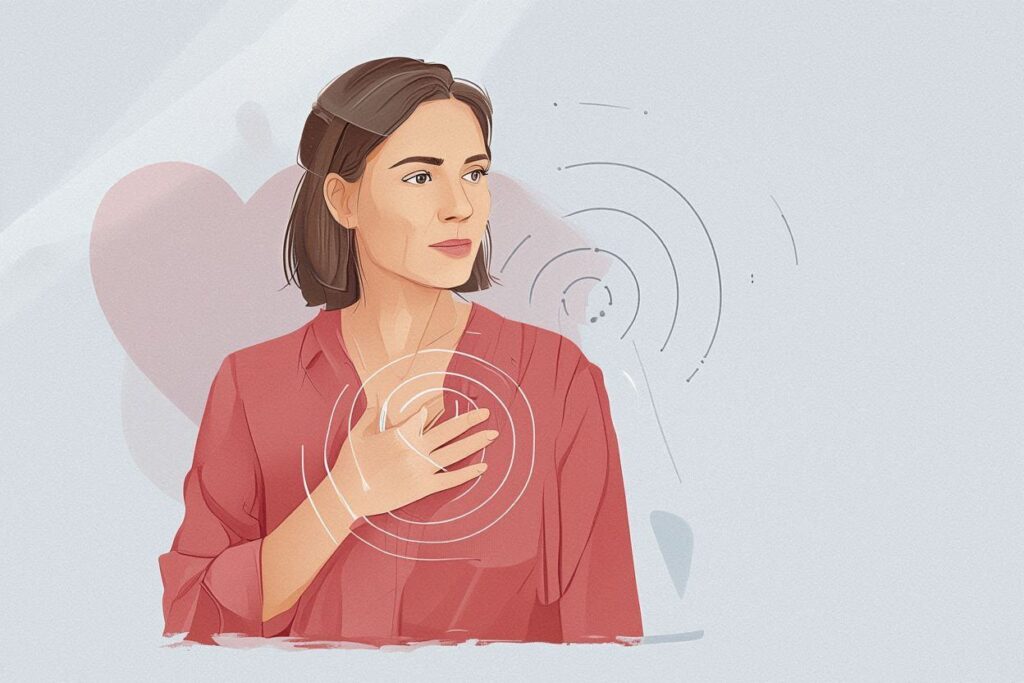
Many women who later learn they experienced a heart attack say something strikingly similar.
They don’t describe sudden collapse or dramatic chest pain. Instead, they talk about a sense of unease. A pressure they couldn’t quite locate. Fatigue that felt disproportionate to the day. Nausea that didn’t behave like a stomach bug. A tightness in the jaw, the back, or the throat that didn’t seem “cardiac enough” to warrant concern.
Some waited. Many minimized. Others were reassured—by themselves or by professionals—that anxiety, stress, reflux, or exhaustion were more likely explanations.
This pattern is not anecdotal. It is systemic.
Heart attack symptoms in women are frequently different from the classic male presentation, and as a result, they are more likely to be misunderstood, dismissed, or delayed. The consequences of that delay can be serious—not because women ignore their bodies, but because the language we’ve used to describe heart attacks has historically excluded them.
Understanding the signs of a heart attack in women is not about creating fear. It is about recognition—knowing what deserves attention, and why listening to subtle signals can matter.
Core Concept Explanation
What a Heart Attack Actually Is
A heart attack, medically referred to as a myocardial infarction, occurs when blood flow to part of the heart muscle is reduced or blocked long enough to cause tissue injury.
This blockage most often results from:
- Plaque buildup in coronary arteries
- A sudden clot forming over an existing plaque
- Less commonly, coronary artery spasm or microvascular dysfunction
While the underlying mechanism is similar across sexes, how the body experiences and signals that disruption can differ—particularly in women.
Why Symptoms Differ in Women
Several factors contribute to differences in symptom presentation:
- Women are more likely to have disease in smaller coronary vessels (microvascular disease)
- Hormonal influences affect pain perception and inflammatory signaling
- Women tend to experience more diffuse rather than localized discomfort
- The nervous system response to cardiac stress may manifest as systemic symptoms
This does not mean women feel less pain. It means the pain—and distress—may be distributed, muted, or expressed differently.
Why This Becomes Especially Relevant After 40
Biological Factors
After midlife, cardiovascular risk in women increases notably. Before menopause, estrogen offers some protective effects on blood vessels and lipid metabolism. As estrogen declines, this protection diminishes.
Changes include:
- Reduced arterial flexibility
- Increased inflammation
- Changes in cholesterol balance
- Higher likelihood of plaque instability
These shifts do not create immediate symptoms—but they change how the heart responds under stress.
Lifestyle Factors
Many women in midlife are managing:
- Chronic stress
- Sleep disruption
- Caregiving responsibilities
- Reduced recovery time
Chronic stress elevates cortisol and blood pressure, contributing to vascular strain. Over time, this can amplify cardiac risk even in women without traditional risk factors.
Hormones, Stress & Recovery Factors
Sleep loss, hormonal fluctuation, and inflammatory load can blunt early warning signals. Symptoms may appear gradually rather than suddenly—making them easier to dismiss.
What’s Considered “Typical”—And Why That Word Can Be Misleading
The “typical” heart attack symptom taught for decades is crushing chest pain radiating down the left arm.
While this can occur in women, many do not experience it this way.
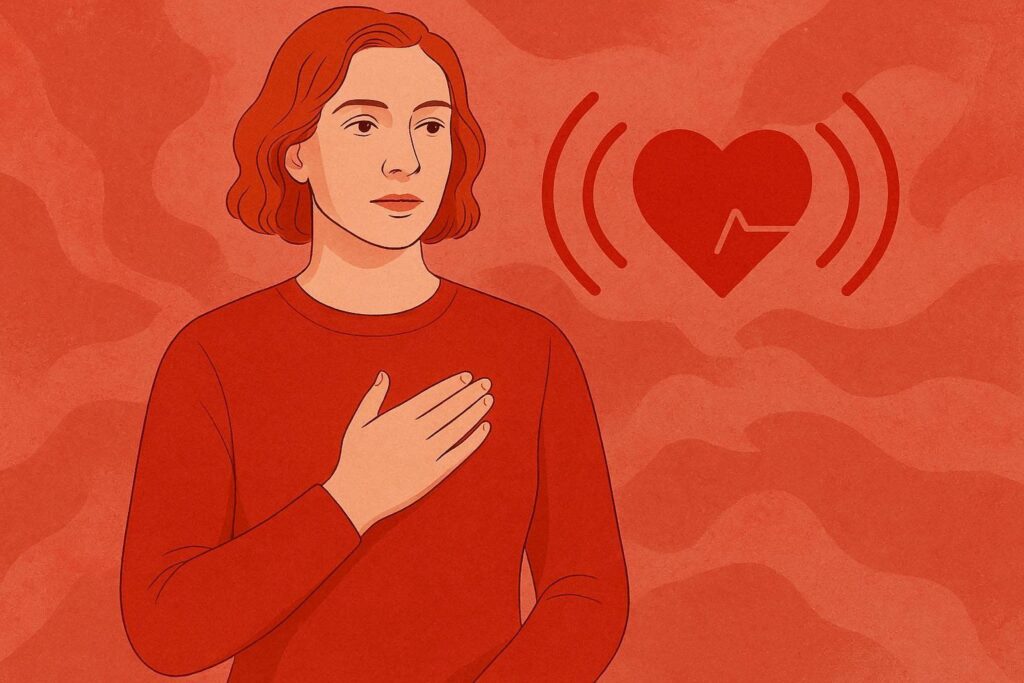
Common heart attack symptoms reported by women include:
- Unusual fatigue (sometimes days or weeks before)
- Shortness of breath without exertion
- Nausea, indigestion, or vomiting
- Upper back, shoulder, neck, or jaw discomfort
- Chest pressure rather than sharp pain
- Lightheadedness or dizziness
- Cold sweats
- Anxiety or a sense of impending doom
These symptoms are often intermittent, vague, or attributed to non-cardiac causes.
When Symptoms May Deserve Immediate Attention
Urgent evaluation is warranted when symptoms:
- Appear suddenly or escalate quickly
- Feel unfamiliar or “not quite right”
- Occur at rest or with minimal exertion
- Are accompanied by shortness of breath, nausea, or sweating
Women should not wait for chest pain alone to validate concern. Pattern recognition matters more than symptom purity.
What Research Suggests Actually Helps
Awareness Changes Outcomes
Studies consistently show that earlier recognition leads to earlier treatment—and better outcomes. Education, not fear, is the strongest protective factor.
Reducing Delay
Women are more likely than men to delay seeking care, often due to uncertainty about symptoms. Clear messaging about non-classic signs reduces hesitation.
Trusting Lived Experience
Women who trust their perception of “something being wrong” are more likely to seek timely care—even when symptoms don’t fit textbook descriptions.
Common Misconceptions
“Heart attacks always involve severe chest pain.”
Not in women.
“I’m too healthy for this.”
Many women experiencing heart attacks have no prior diagnosis.
“If it were serious, it would be obvious.”
Often, it is not.
“Anxiety feels the same.”
While anxiety can mimic symptoms, cardiac events can also feel like anxiety.
Long-Term Perspective
Recognizing heart attack symptoms in women is not about living in fear. It is about closing a knowledge gap that has existed for generations.
When women are informed, outcomes improve—not because hearts change, but because responses do.
Frequently Asked Questions
Can heart attacks in women start slowly?
Yes. Many women report prodromal symptoms days or weeks before an event.
Are younger women at risk?
Risk increases after 40, but heart attacks can occur earlier, especially with compounding factors.
Do symptoms always worsen over time?
Not necessarily. Some remain subtle until suddenly escalating.
Should women advocate more strongly in healthcare settings?
Self-advocacy improves recognition, especially when symptoms are atypical.
Does menopause increase risk?
Yes. Risk rises after menopause due to hormonal and metabolic changes.
Final Perspective
Heart attacks in women are often missed not because women are inattentive—but because the narrative around cardiac symptoms has been incomplete.
Learning the signs is not about expecting the worst. It is about being fluent in your own body’s language, especially when that language speaks softly before it speaks loudly.
Editorial Disclaimer
This article is for educational purposes only. It does not diagnose, treat, or replace emergency medical care. If heart attack symptoms are suspected, emergency services should be contacted immediately.